Creative Ventures team7 min read
Trywishboard case study: multiplayer collaboration without killing focus
How we turned a single-player mood-board tool into a real-time multiplayer workspace — and why the hardest part was deciding which interactions should not be collaborative at all.
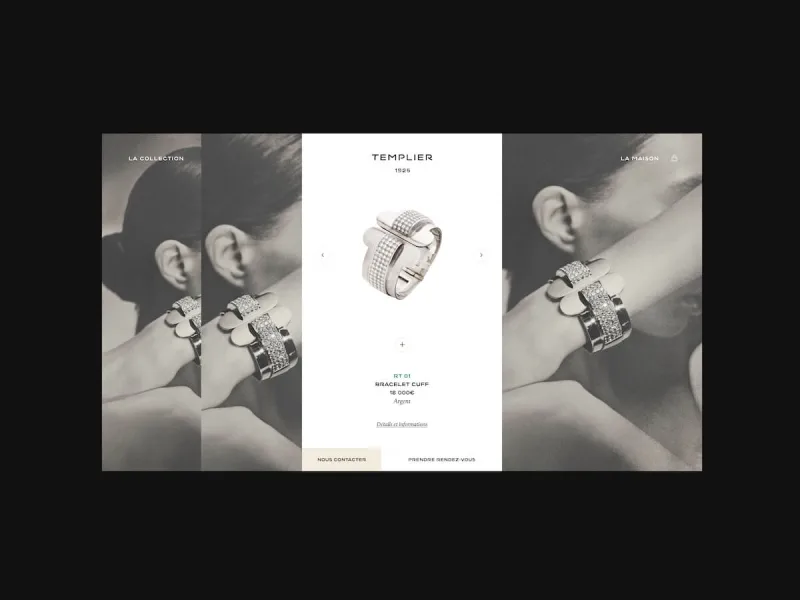
Trywishboard came to us as a popular but lonely tool — designers loved it but used it alone. The brief was simple on paper: turn it into a multiplayer workspace. The real work was nothing like that.
What we shipped for real-time collaboration
Real-time co-editing on the canvas, a comments layer with scoped mentions, a permission system that scales from pair-design to enterprise teams, and an export pipeline that preserves fidelity from the browser to PDF and PPT. Shipped in 11 weeks.
The hardest product call: which interactions NOT to make multiplayer
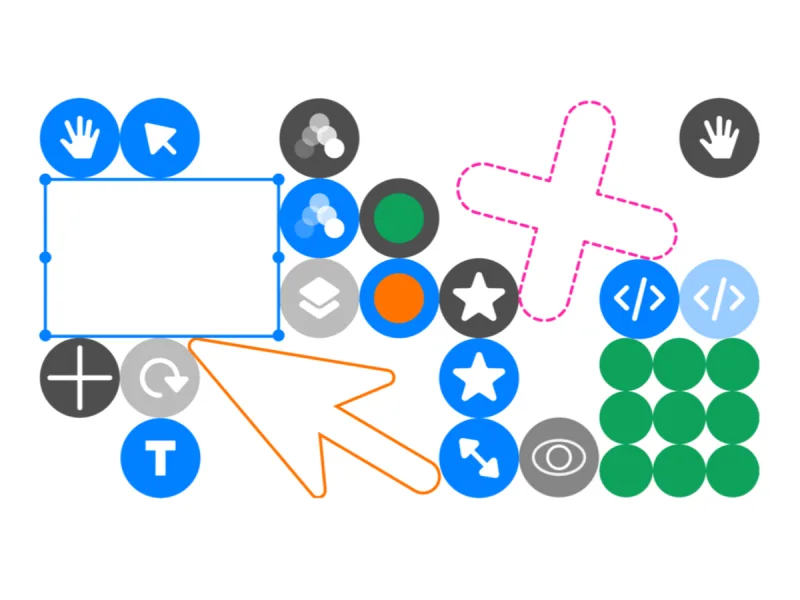
The hard part was not the CRDT. It was deciding which interactions should be collaborative at all. Our first pass made everything multiplayer — and reduced solo productivity by 30% because users kept stopping to see who else was on the canvas. We rolled back aggressively and landed on a two-mode model: focus-mode is single-player by default.
Outcomes after launch
Weekly active teams (not individuals) tripled in the first quarter post-launch. Enterprise deals stuck in legal for months closed within six weeks of GA. The biggest driver — the focus/team mode split — came out of usability testing, not strategy.
“Multiplayer is a feature you can add. Focus is a feature you have to defend.”